

Quick answer
- There is no such thing as a “digital arrest” in Indian law. No police officer, CBI, ED, customs or RBI official can arrest you, question you under “house arrest” or keep you on a video call.
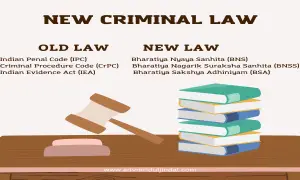
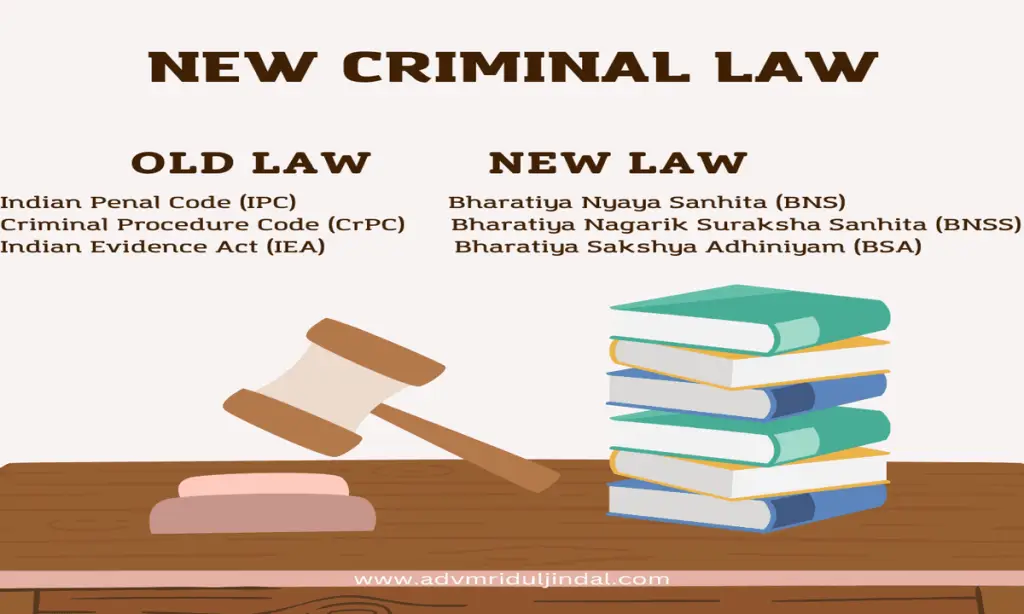
- An arrest under the Bharatiya Nagarik Suraksha Sanhita, 2023 (BNSS) means physical custody, with the grounds of arrest told to you (Sections 35, 43 and 47 BNSS; old Sections 41, 46 and 50 CrPC).
- No real agency asks you to transfer money to “verify” it or to a “safe account”. That demand alone means it is a scam.
- Disconnect, call 1930 and report on cybercrime.gov.in. The Supreme Court has been monitoring these scams since October 2025 and has ordered a CBI investigation.
A “digital arrest” is a scam, not a legal process. Callers pretending to be police, CBI, ED, customs or telecom officials threaten you with a fake case, keep you on a video call for hours or days, and pressure you to transfer money. Real law-enforcement officers cannot arrest or detain anyone over a video call. If this is happening to you, disconnect and call 1930.
How does a “digital arrest” scam work?
The pattern is usually the same:
- A call or WhatsApp message claims a parcel in your name contains drugs or fake passports, or your Aadhaar or SIM has been used in money laundering.
- The call is “transferred” to a fake police officer or CBI/ED official, often in uniform, sitting in what looks like a police station.
- You are shown forged documents: an “arrest warrant”, a “Supreme Court order” or an “RBI letter”.
- You are told you are under “digital arrest”, must stay on camera and must not tell your family.
- You are asked to move your savings or FDs to a “safe” or “RBI-verified” account for “verification”, with a promise that the money will be returned.
Can the police arrest you over a video call?
No. Under Section 35 BNSS (old Section 41 CrPC) the police can arrest without a warrant only in specified situations, and Section 43 BNSS (old Section 46 CrPC) describes an arrest as actually touching or confining the person, unless they submit to custody. Under Section 47 BNSS (old Section 50 CrPC), the person arrested must be told the grounds of arrest. An arrested person must be produced before a Magistrate within 24 hours. None of this can happen through a screen.
In many cases the police are expected to send a notice of appearance under Section 35(3) BNSS (old Section 41A CrPC) rather than arrest. The notice asks you to come to the police station. It does not ask you to stay on camera or pay money.
What can genuine police or agencies do over the phone or online?
A genuine officer may call to ask you to come in, or send a summons or notice, including by electronic means where the law allows it. You can always verify a call independently. Hang up and call the police station or agency on a number from its official website. Ask for the officer’s name, rank, FIR number and police station, and check them. A genuine officer will not object to this.
What can police and agencies never do?
- Keep you on a video call or forbid you from speaking to family or a lawyer
- Ask you to transfer money, buy gift cards or pay “fines” to a personal or “safe” account
- Ask for your OTP, UPI PIN, net-banking password or remote access to your phone
- Conduct a “court hearing” over WhatsApp or Skype
Which laws punish digital arrest fraudsters?
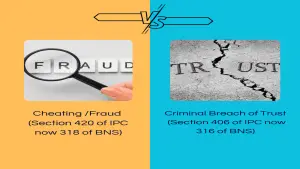
Depending on the facts, these scams involve offences under the Bharatiya Nyaya Sanhita, 2023 (BNS) such as Section 204 (personating a public servant), Section 308 (extortion), Sections 318 and 319 (cheating and cheating by personation), and Sections 336 and 340 (forgery and using forged documents). The Information Technology Act, 2000 adds Section 66C (identity theft) and Section 66D (cheating by personation using a computer resource). Large, organised networks may also fall under Section 111 BNS (organised crime).
What has the Supreme Court done about digital arrests?
The Supreme Court took suo motu notice of digital arrest scams in October 2025 after a senior citizen’s complaint about forged court orders. On 1 December 2025 it made the CBI the lead agency to investigate digital arrest cases and asked banks, telecom companies and intermediaries to cooperate. In its order of 4 August 2026 in In Re: Victims of Digital Arrest Related to Forged Documents, the Court directed the RBI to adopt an SOP on temporary debit holds for mule accounts, asked states to make the money restoration and grievance modules work, and asked State Legal Services Authorities to help victims recover their money. According to I4C data placed before the Court, digital arrest complaints fell from 1,23,672 in 2024 to 58,239 in 2025.
What should you do if you have already paid?
- Disconnect the call and tell a family member.
- Call 1930 immediately so the money can be put on hold. Our step-by-step guide explains how to report on 1930 and cybercrime.gov.in.
- Inform your bank in writing and block the accounts and cards used.
- Keep every screenshot, number, video-call ID and bank receipt.
- Follow up for an FIR and for release of the held money.
If you receive a genuine notice from the police, or your account has been frozen in connection with a scam, read our guide on a bank account frozen over a cyber fraud and get advice before responding.
When should you speak to a lawyer?
Speak to a lawyer if you have lost a significant amount, the police are slow to register an FIR, held money is not being released, or you have received a real notice and are worried. Our cybercrime lawyer in Noida and Ghaziabad handles complaints, release applications and bank disputes. See our criminal law practice or contact us for a consultation.
Frequently asked questions
Is “digital arrest” legal in India?
No. Indian law has no concept of arrest or detention over a video call. Anyone claiming to place you under digital arrest is a fraudster.
Can the CBI or ED call me directly?
Officers may contact people in genuine investigations, but they do not demand money transfers, keep you on video, or forbid you from contacting family. Verify any call through the agency’s official number.
The caller showed me an arrest warrant with a court seal. Is it real?
Almost certainly not. Fraudsters forge warrants and even Supreme Court orders. A real warrant is executed in person by the police, not shown on WhatsApp.
Will I get my money back?
It depends on how quickly you report. If the money is put on hold, it can be returned through the police money restoration process or a court order. Call 1930 without delay.
Is it an offence to stay silent or not answer a notice?
A genuine Section 35(3) BNSS notice must be complied with, but you are entitled to verify it and to take legal advice. A fake “notice” sent with a demand for money should be reported, not obeyed.
Sources
- Bharatiya Nagarik Suraksha Sanhita, 2023 — Sections 35, 35(3), 43 and 47 (old Sections 41, 41A, 46 and 50 CrPC)
- Bharatiya Nyaya Sanhita, 2023 — Sections 111, 204, 308, 318, 319, 336 and 340
- Information Technology Act, 2000 — Sections 66C and 66D
- In Re: Victims of Digital Arrest Related to Forged Documents (Supreme Court, suo motu, orders of 1 December 2025 and 4 August 2026; 2026 SCC OnLine SC 1532)
- National Cyber Crime Reporting Portal, cybercrime.gov.in; National Cyber Crime Helpline 1930 (I4C, Ministry of Home Affairs)
This article is general legal information, not legal advice for your specific case. Law and procedure change; please consult an advocate before acting.