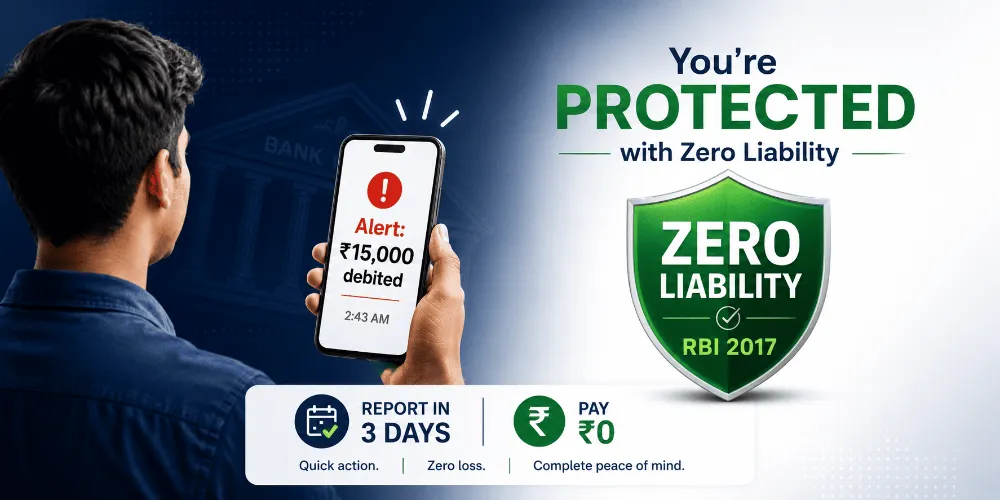
Card Fraud, Zero Liability and the 3-Day Window: What Every Indian Bank Customer Must Know

Your phone buzzes. A transaction alert: ₹15,000 debited. You didn’t make it. You call the bank. After twenty minutes on hold, an executive says: “The transaction was OTP-verified there is nothing we can do. Please file a police complaint.” This happens to thousands of Indians every day. Most accept it. They should not. Indian law
Read More

Section 69 BNS: When Does a “False Promise of Marriage” Become a Crime and When Is It Just a Failed Relationship?

A relationship ends. Feelings turn bitter. And then, months or even years later, a First Information Report arrives recasting what was once a consensual relationship as a criminal deception. This is one of the most common patterns I encounter in criminal practice, and it sits at the heart of Section 69 of the Bharatiya Nyaya
Read More

Circumstances under which the New Criminal Law (BNS, BNSS) would not apply

The new criminal law — the Bharatiya Nyaya Sanhita (BNS) and Bharatiya Nagarik Suraksha Sanhita (BNSS) — does not apply retrospectively to every criminal matter; several categories of cases begun under the old Cr.P.C. and IPC continue to be governed by that earlier law. The recent transition from the Code of Criminal Procedure (Cr.P.C.) to
Read More

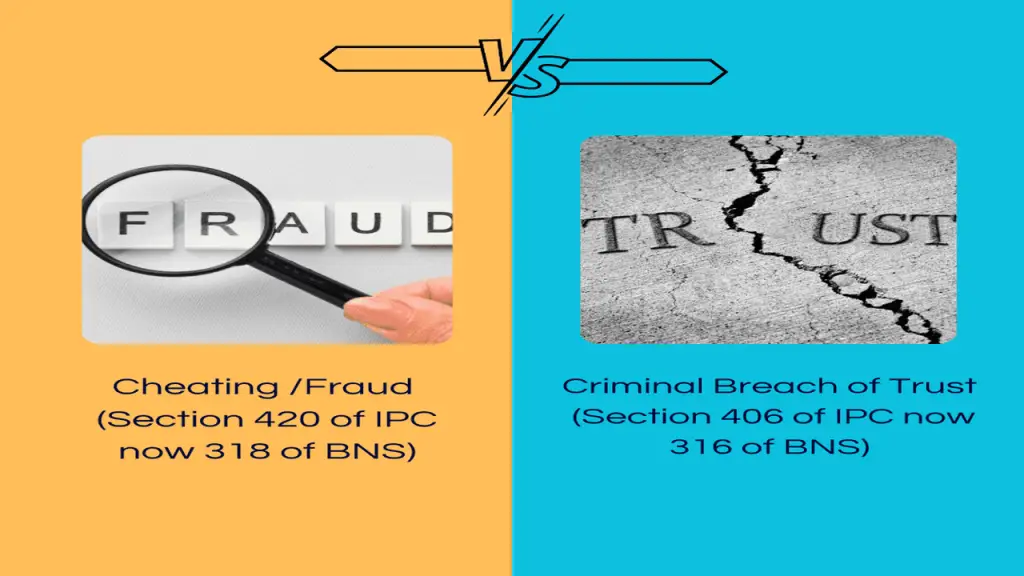
When Not to File Criminal Charges: Understanding Cheating /Fraud (Section 420 of IPC now 318 of BNS) Vs. Criminal Breach of Trust (Section 406 of IPC now 316 of BNS)

Knowing the difference between cheating vs criminal breach of trust is essential before deciding which criminal charge to file. The two offences under the IPC (now the BNS) rest on very different facts and carry different consequences for a wrongly filed complaint. The Indian Penal Code (IPC) now known as The BNS is a cornerstone
Read More

Service of Legal Notice via electronic mode i.e. WhatsApp and E-mail etc valid or not?

Serving a legal notice via WhatsApp or e-mail is now recognised as valid service by Indian courts, provided delivery and receipt can be shown, marking a major shift away from slower physical modes of service. Historically, serving notices involved physical delivery—an approach fraught with delays and opportunities for evasion. However, recent advancements in technology, combined
Read More