

Quick answer
- For a cognizable offence, the police must register an FIR (Lalita Kumari v. Government of U.P., 2013). Section 173 BNSS now allows a zero FIR at any police station, whatever the area.
- You can give information electronically (e-FIR), but you must sign it within three days for it to be recorded.
- For offences punishable with 3 to 7 years, the police may hold a preliminary enquiry within 14 days before registering the FIR.
- If the police refuse, complain in writing to the Superintendent of Police (Section 173(4)), and then apply to the Magistrate under Section 175(3) BNSS.
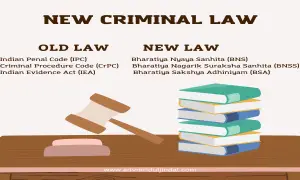
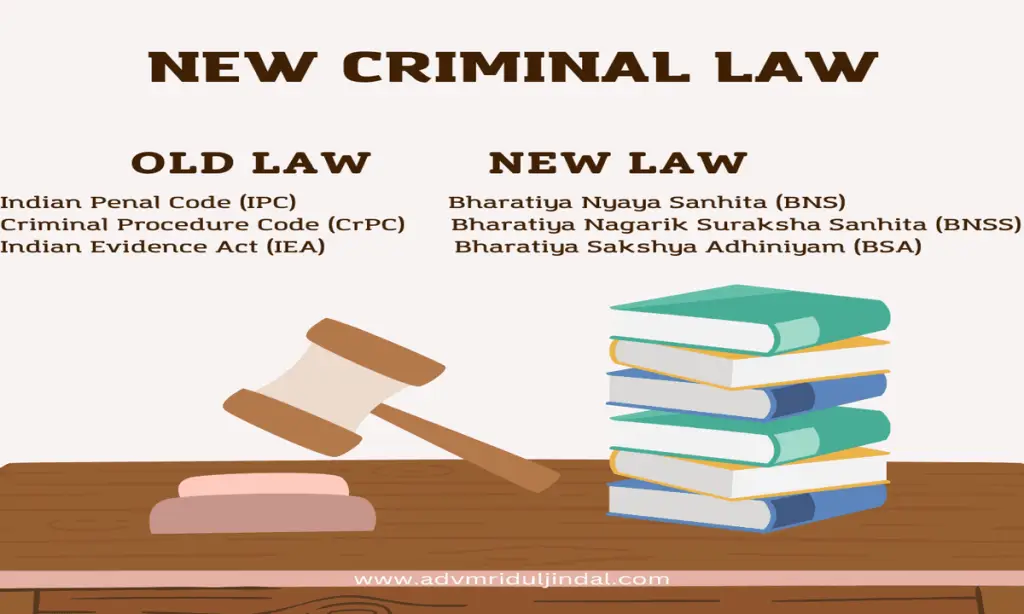
Many people are sent from one police station to another, or told to “settle it”. The Bharatiya Nagarik Suraksha Sanhita, 2023 strengthens your right to get a complaint registered.
What is an FIR?
A First Information Report is the information about a cognizable offence recorded by the police under Section 173 BNSS (old Section 154 CrPC). It starts the investigation. For non-cognizable offences, the police record the information and refer you to the Magistrate.
What is a zero FIR?
Section 173(1) BNSS says information about a cognizable offence can be given “irrespective of the area where the offence is committed”. The police station must register it (as a “zero FIR”) and transfer it to the station with jurisdiction. This matters for women, accident victims and travellers who cannot easily reach the right station.
Can I file an FIR online?
Yes. Information can be given by electronic communication. It is taken on record once the informant signs it within three days. Uttar Pradesh and Delhi police both offer online complaint services, and cyber financial frauds can be reported on 1930 and cybercrime.gov.in; read our 1930 guide.
Can the police hold an enquiry before registering?
For offences punishable with three years or more but less than seven years, Section 173(3) BNSS allows a preliminary enquiry, with the permission of an officer not below the rank of DSP, to be completed within 14 days, to see whether there is a prima facie case. For more serious offences, the FIR must be registered at once.
What are my rights when the FIR is registered?
- The information must be read over to you and you must sign it
- You get a free copy of the FIR (Section 173(2))
- In offences against women, the statement should be recorded by a woman officer, and in some offences at the victim’s residence or a place of choice
What if the police refuse?
- Send the complaint in writing, by post or email, to the Superintendent of Police or Commissioner (Section 173(4)). The SP can investigate or direct an investigation.
- If nothing happens, apply to the Magistrate under Section 175(3) BNSS (old Section 156(3) CrPC) with an affidavit, showing that you approached the SP. The Magistrate can order registration and investigation after hearing the police officer’s report.
- In a serious case of inaction, a writ petition is possible, but courts expect you to use these remedies first.
What if a false FIR is filed against you?
You can seek anticipatory bail and ask the High Court to quash the FIR under Section 528 BNSS.
Need help?
Speak to our criminal lawyer in Noida, see our criminal law practice, or contact us.
Frequently asked questions
Can I file an FIR at any police station?
Yes. Under Section 173(1) BNSS, information about a cognizable offence can be given at any police station, which must register it as a zero FIR and transfer it.
Is an online complaint the same as an FIR?
An e-FIR becomes part of the record once you sign it within three days. Simple online complaints may need to be followed up for formal FIR registration.
What can I do if the SP also ignores my complaint?
Apply to the Magistrate under Section 175(3) BNSS with an affidavit. The Magistrate can direct the police to register the FIR and investigate.
Do I have to pay for a copy of the FIR?
No. The informant is entitled to a free copy of the FIR under Section 173(2) BNSS.
Sources
- Bharatiya Nagarik Suraksha Sanhita, 2023 — Sections 173 and 175(3) (old Sections 154 and 156(3) CrPC)
- Lalita Kumari v. Government of U.P., (2014) 2 SCC 1
This article is general legal information, not legal advice for your specific case. Law and procedure change; please consult an advocate before acting.