

Quick answer
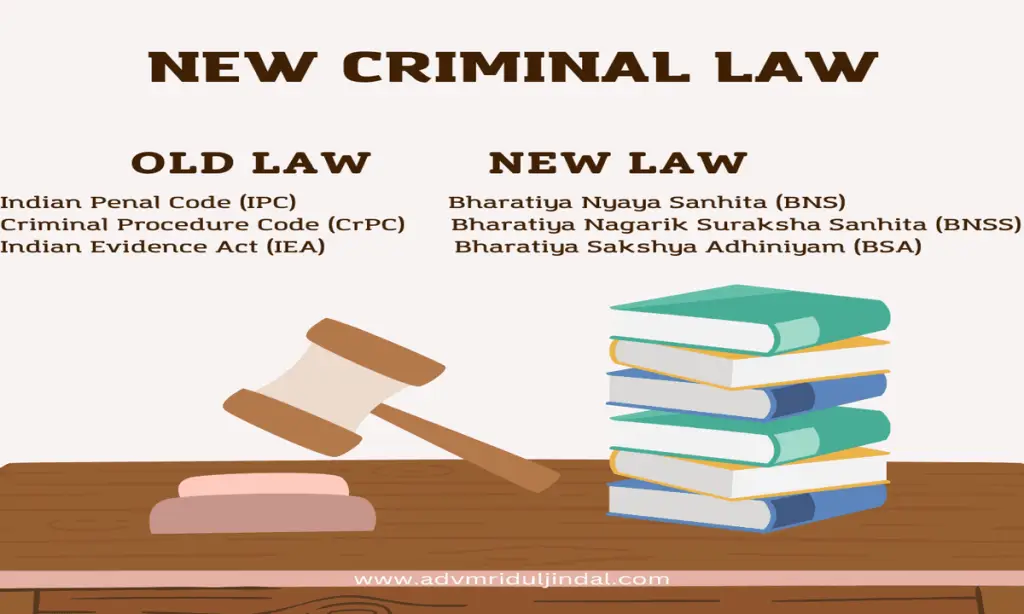
- Defamation is both a crime and a civil wrong. The criminal offence is now Section 356 of the Bharatiya Nyaya Sanhita, 2023 (old Sections 499 and 500 IPC), punishable with simple imprisonment up to two years, fine, both, or community service.
- Only the person defamed can file a criminal complaint, and it goes directly to the Magistrate, not the police (Section 222 BNSS).
- A civil suit for damages and an injunction must be filed within one year of publication (Article 75, Limitation Act).
- Platforms must act on grievances under the IT Rules, 2021, and courts can order takedown of defamatory posts.
A false post, review or video can damage a reputation within hours. Indian law gives you three tools: a criminal complaint, a civil suit, and takedown through the platform. Often the fastest relief is a court injunction plus takedown.
What counts as defamation?
Making or publishing any imputation about a person, by words, signs or visible representations, intending to harm (or knowing it is likely to harm) their reputation. Posts, comments, reviews, memes, videos and WhatsApp forwards can all be defamatory. In Subramanian Swamy v. Union of India, (2016) 7 SCC 221, the Supreme Court upheld criminal defamation as a reasonable restriction on free speech.
Can I be liable for sharing or retweeting?
Possibly. Each republication can be a fresh publication. The Delhi High Court has held that retweeting defamatory content can attract liability, because it spreads the imputation to a new audience. Think before you share.
How do you file a criminal complaint?
- Preserve evidence: screenshots with the URL, date and time, and ideally a certificate under Section 63 of the Bharatiya Sakshya Adhiniyam for electronic records.
- Send a legal notice asking for removal and an apology (optional, but useful).
- File a private complaint before the Magistrate. Under Section 222 BNSS (old Section 199 CrPC), the court takes cognizance only on a complaint by the person aggrieved.
- The Magistrate records your statement and decides whether to summon the accused.
What civil remedies are available?
A civil suit lets you claim damages for loss of reputation and an injunction to remove the content and stop further publication. Courts in Delhi often grant interim injunctions against clearly false posts, including orders directing platforms to take down URLs. The suit must be filed within one year of publication.
How do you get the post taken down quickly?
- Report it using the platform’s reporting tools.
- Write to the platform’s Grievance Officer, which every significant social media intermediary must appoint under the Information Technology (Intermediary Guidelines and Digital Media Ethics Code) Rules, 2021.
- If the platform does not act, appeal to the Grievance Appellate Committee or approach the court for a takedown order.
If the post also involves fake profiles, impersonation or harassment, report it on cybercrime.gov.in. Read our guide on reporting on cybercrime.gov.in.
What defences are available if you are accused?
The exceptions in Section 356 BNS include truth published for the public good, fair comment on public conduct of public servants and on public questions, fair reports of court proceedings, opinion on a published work, and good-faith complaints to a person in authority. Honest reviews of a product or service, based on true facts, are generally protected. If a complaint is plainly abusive, the High Court can quash it; read quashing under Section 528 BNSS.
Is Section 66A of the IT Act still used?
No. Section 66A was struck down in Shreya Singhal v. Union of India, (2015) 5 SCC 1, and police cannot register cases under it. Online defamation is dealt with under Section 356 BNS and civil law.
Need help?
We file and defend defamation cases and takedown actions in Delhi, Noida and Ghaziabad. Speak to our cybercrime lawyer in Noida, see our criminal law practice, or contact us.
Frequently asked questions
Can I file an FIR for defamation?
Generally no. Defamation is a non-cognizable offence, so you file a private complaint before the Magistrate instead of an FIR.
What is the time limit to sue for defamation?
One year from the date of publication for a civil suit. For a criminal complaint, file as early as possible, because delay weakens the case.
Is a negative online review defamatory?
Not if it is an honest opinion based on true facts. A review that makes false statements of fact to harm a business can be defamatory.
Can a court order a social media post to be removed?
Yes. Courts can grant injunctions directing the poster and the platform to remove defamatory content and stop further publication.
Sources
- Bharatiya Nyaya Sanhita, 2023 — Section 356 (old Sections 499 and 500 IPC)
- Bharatiya Nagarik Suraksha Sanhita, 2023 — Section 222 (old Section 199 CrPC)
- Bharatiya Sakshya Adhiniyam, 2023 — Section 63
- Limitation Act, 1963 — Article 75
- Information Technology (Intermediary Guidelines and Digital Media Ethics Code) Rules, 2021
- Subramanian Swamy v. Union of India, (2016) 7 SCC 221
- Shreya Singhal v. Union of India, (2015) 5 SCC 1
This article is general legal information, not legal advice for your specific case. Law and procedure change; please consult an advocate before acting.